Rio Retreat Center At The Meadows
About Rio Retreat Center At The Meadows
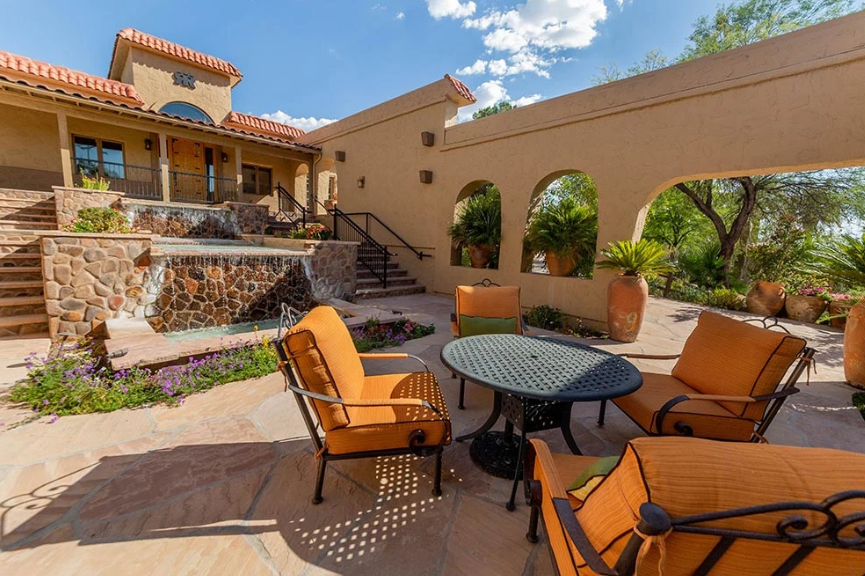
Amenities

Internet Access
Internet access may help clients communicate with family, manage work obligations, or use approved digital resources. Some programs limit internet use during treatment.

Luxury
Luxury facilities may offer upgraded accommodations, privacy, dining, wellness services, or hospitality-style amenities. Users should still compare clinical services, licensing, staff credentials, and treatment fit.
Pool
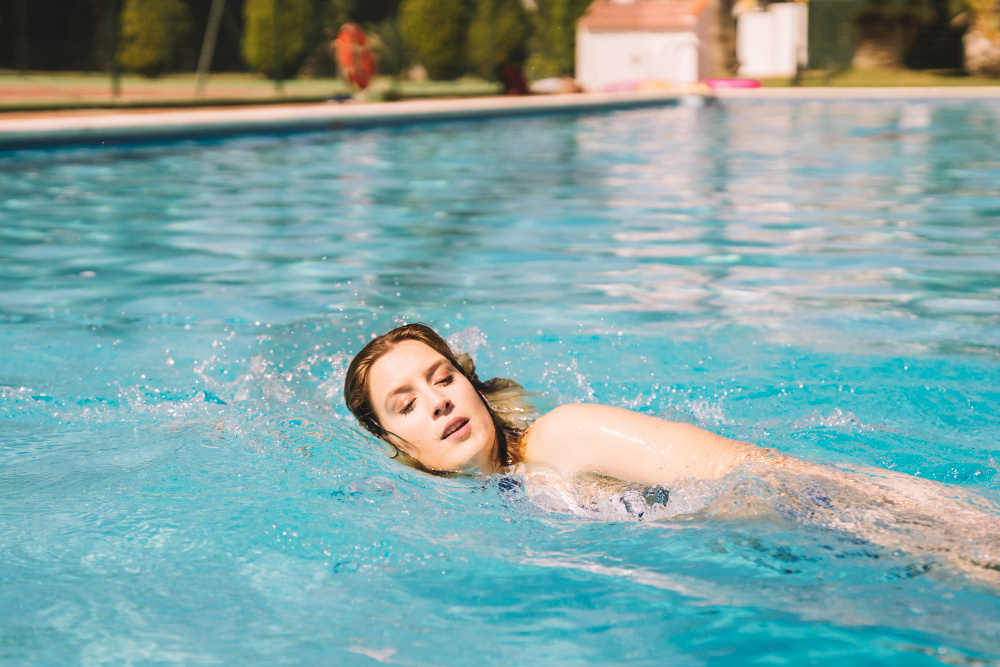
A pool may support recreation, light exercise, relaxation, or wellness activities during treatment. Users should confirm supervision, schedule, accessibility, and safety rules.
Access to Nature
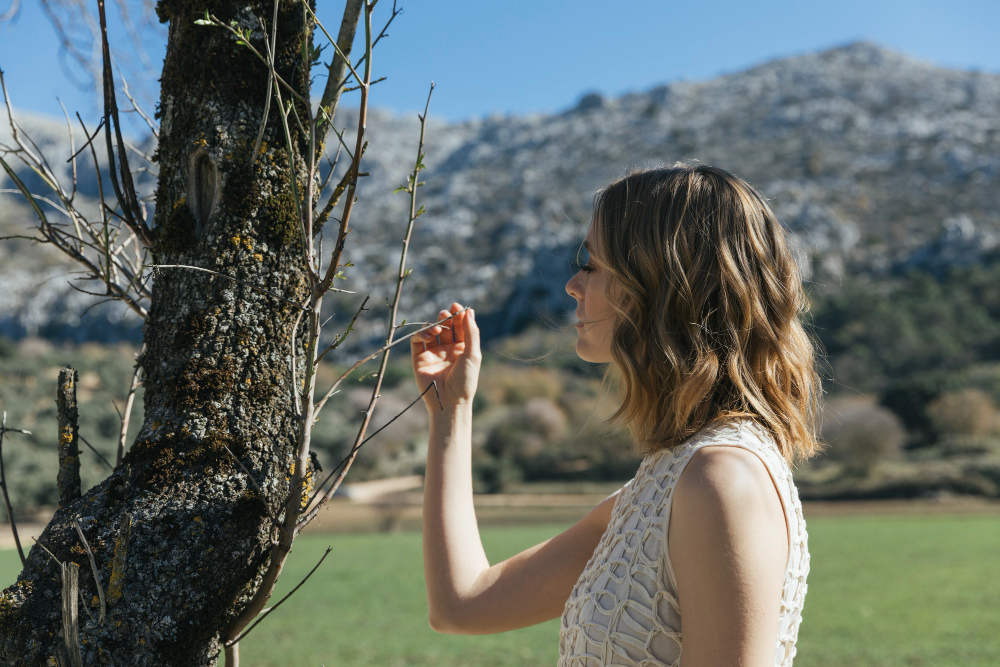
Centers with access to nature may offer outdoor areas, natural surroundings, or nearby green spaces that support reflection, movement, and a calmer treatment environment.
Fitness Center
A fitness center may support exercise, routine, stress reduction, and overall wellness during treatment. Users should confirm available equipment, supervision, and any medical restrictions.
Basketball Court
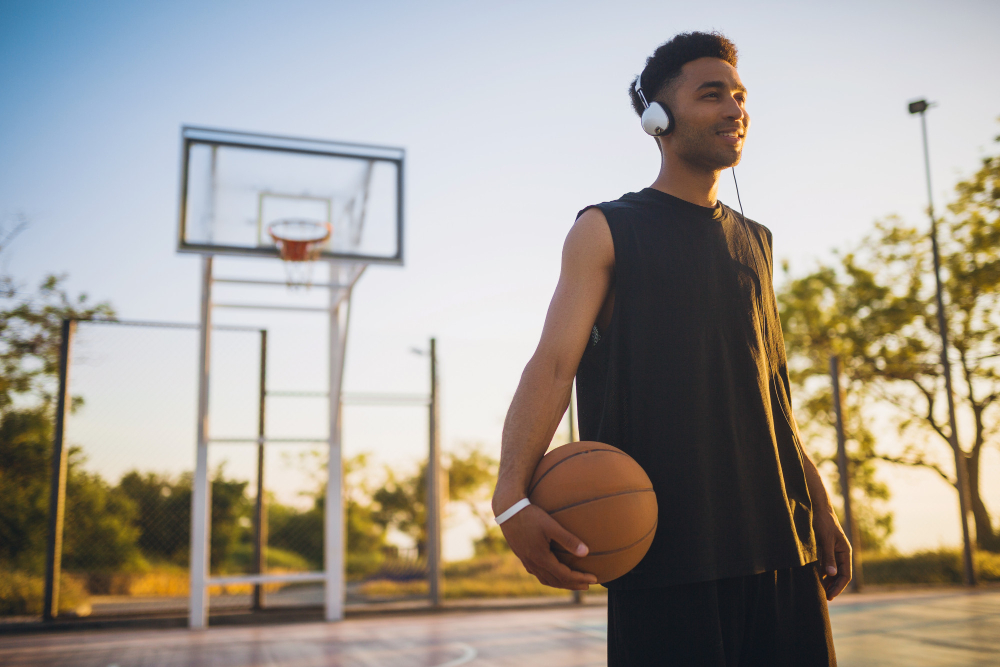
A basketball court may support physical activity, recreation, and healthy routine during treatment. Availability may depend on the facility setting, weather, and program schedule.

Outdoor Lounge
An outdoor lounge provides a designated area for rest, conversation, or supervised downtime outside. Users should confirm access rules and whether it is available year-round.

Air-Conditioned Rooms
Air-conditioned rooms help support comfort during residential or longer-stay treatment, especially in warm climates or facilities where temperature control affects sleep and daily routine.

Private or Shared Rooms
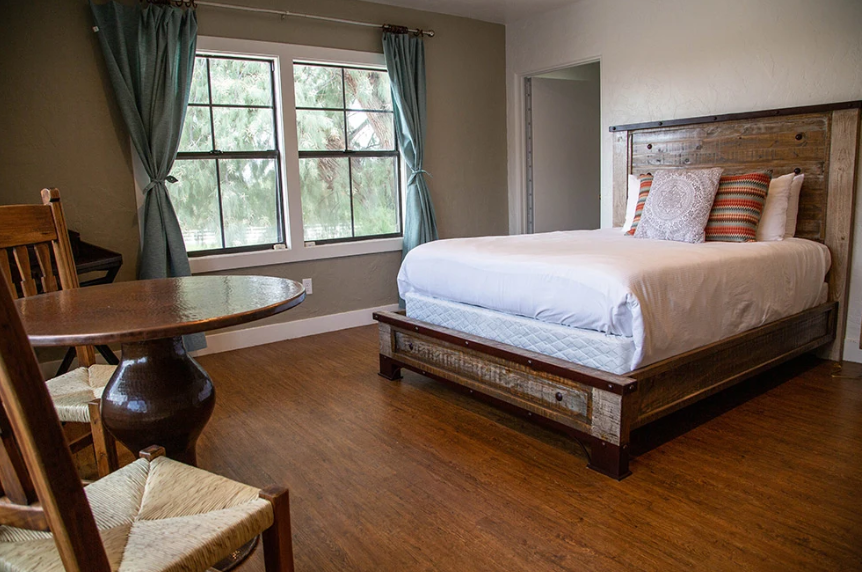
Facilities may offer private rooms, shared rooms, or both. Room type can affect privacy, cost, comfort, and availability, so users should confirm options before admission.
Accreditations
Joint Commission
Who We Treat

Young Adults
Men

Women
Treatments

1-on-1 Counseling
One-on-one counseling gives clients private time with a counselor or therapist to discuss substance use, mental health symptoms, goals, triggers, and recovery planning. It is commonly used throughout treatment to create a more personalized care plan.
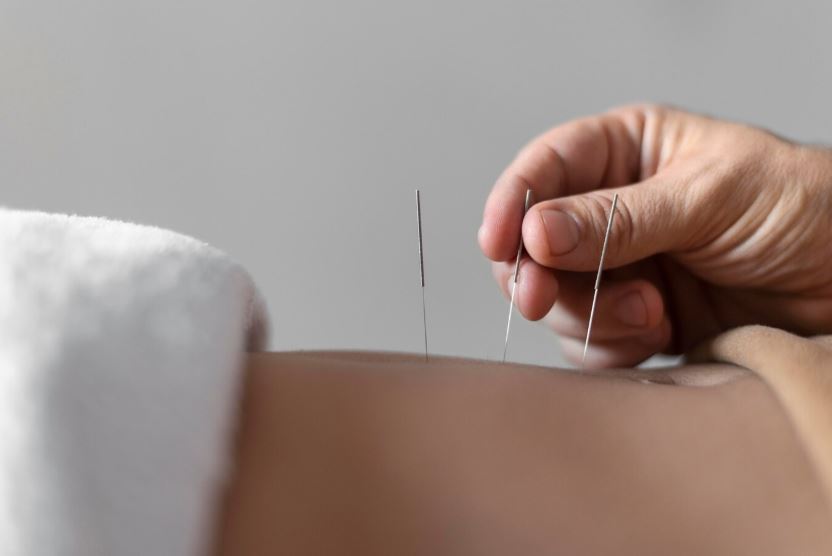
Acupuncture
Acupuncture is a complementary therapy that involves stimulating specific points on the body. Some programs may use it as supportive care for stress, discomfort, cravings, or relaxation, but it should not be presented as a replacement for clinical addiction or mental health treatment.
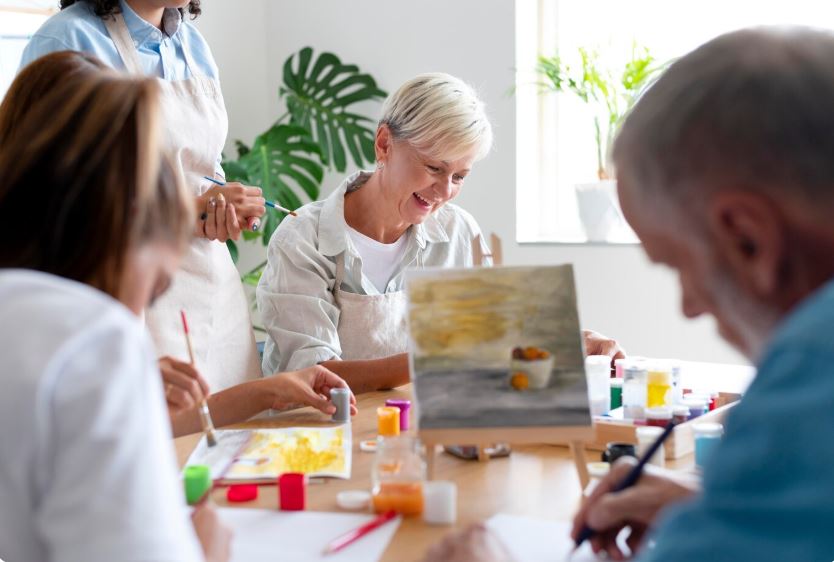
Art Therapy
Art therapy uses creative activities to help clients express emotions, process experiences, and explore thoughts that may be difficult to discuss directly. It is often used as a supportive approach in mental health, trauma, and substance use treatment settings.

Couples Counseling
Couples counseling helps partners address communication, trust, boundaries, conflict, and the effect of substance use or mental health symptoms on the relationship. It may be used when recovery involves relationship repair or partner support.

Equine Therapy
Equine therapy uses supervised activities with horses to support emotional awareness, trust, boundaries, communication, and confidence. It is often used as an experiential support alongside counseling or trauma-informed treatment.

Experiential Therapy
Experiential therapy uses structured activities, role-play, movement, art, or outdoor experiences to help clients process emotions and practice new skills. It may be useful when clients benefit from hands-on work beyond traditional talk therapy.

Family Therapy
Family therapy helps clients and loved ones address communication, boundaries, conflict, support systems, and the impact of substance use or mental health concerns on the household. It is an important treatment option when recovery involves family relationships.

Group Therapy
Group therapy brings clients together in a structured setting to discuss recovery, coping skills, accountability, relationships, and shared challenges. It is commonly used in addiction and mental health treatment at many levels of care.
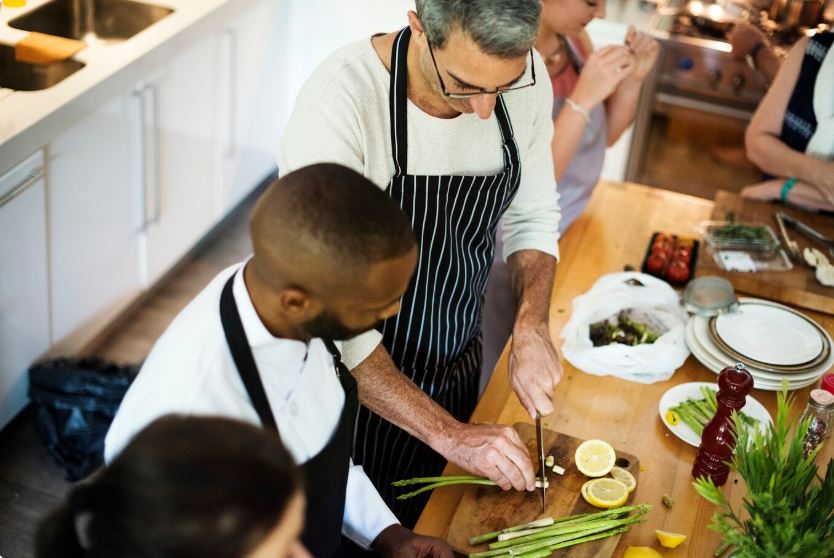
Life Skills
Life skills programming helps clients build practical routines for daily stability, communication, employment readiness, budgeting, time management, and recovery planning. It is often used in residential, PHP, IOP, sober living, and transitional care.

Motivational Interviewing
MI helps clients explore ambivalence and strengthen their own reasons for change. It is commonly used when someone is uncertain, resistant, or still building readiness for treatment or recovery.
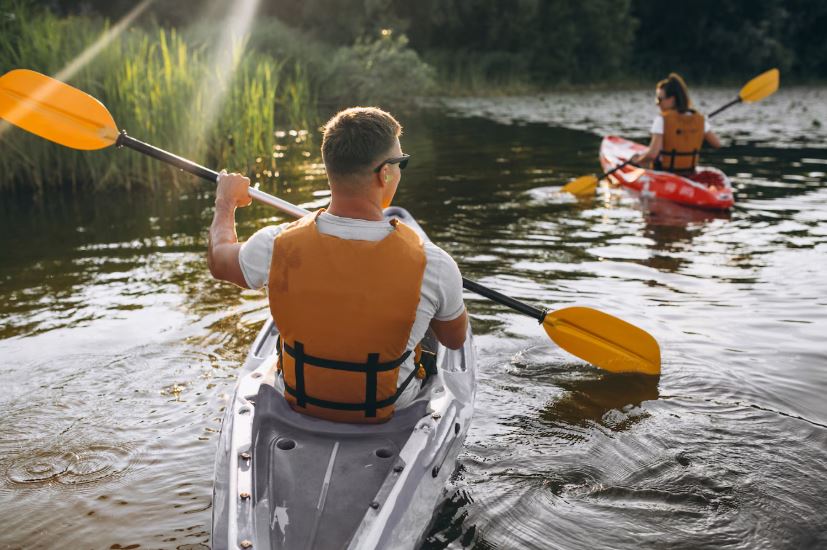
Recreation Therapy
Recreation therapy uses structured recreational activities to support social connection, stress reduction, confidence, and healthy routines. It is often used as a supportive service in residential or extended-care programs.

Twelve Step Facilitation
TSF helps clients understand and participate in Twelve Step recovery support. It may be used alongside counseling, medication, relapse prevention, and other treatment services.
Level Of Cares

Retreat Programs
Residential Treatment