Redefine Wellness and Treatment
About Redefine Wellness and Treatment

Amenities

Lounge
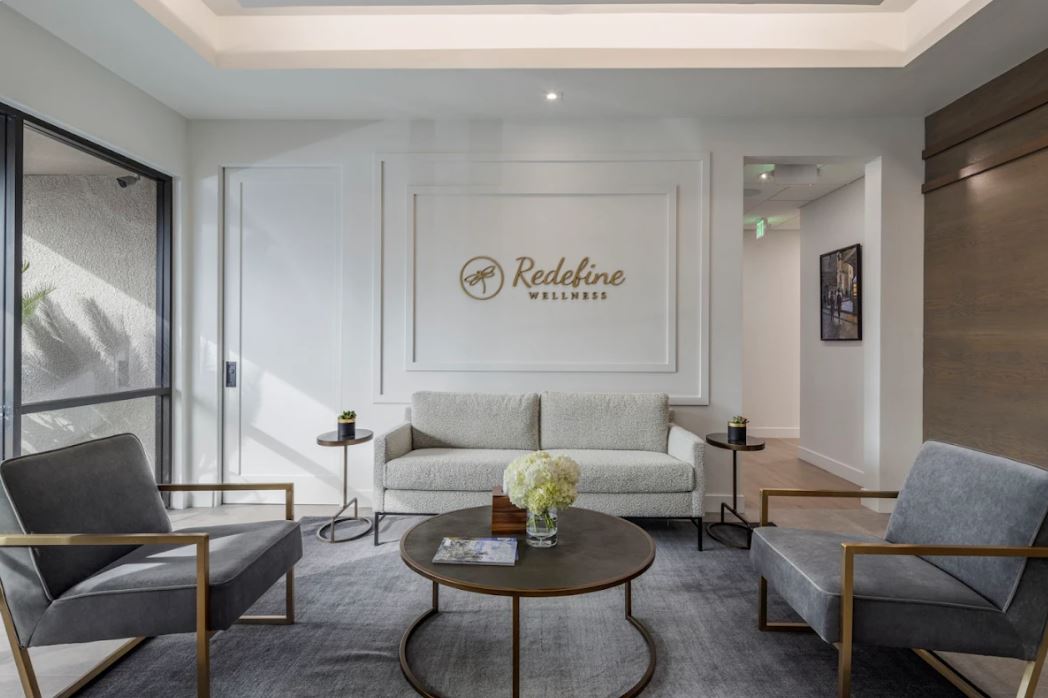
A lounge provides shared space for rest, peer connection, reading, or supervised downtime. The setting and rules may vary by program structure and level of care.
Who We Treat

Executives

Professionals

Men and Women

Men

Women
Treatments

1-on-1 Counseling
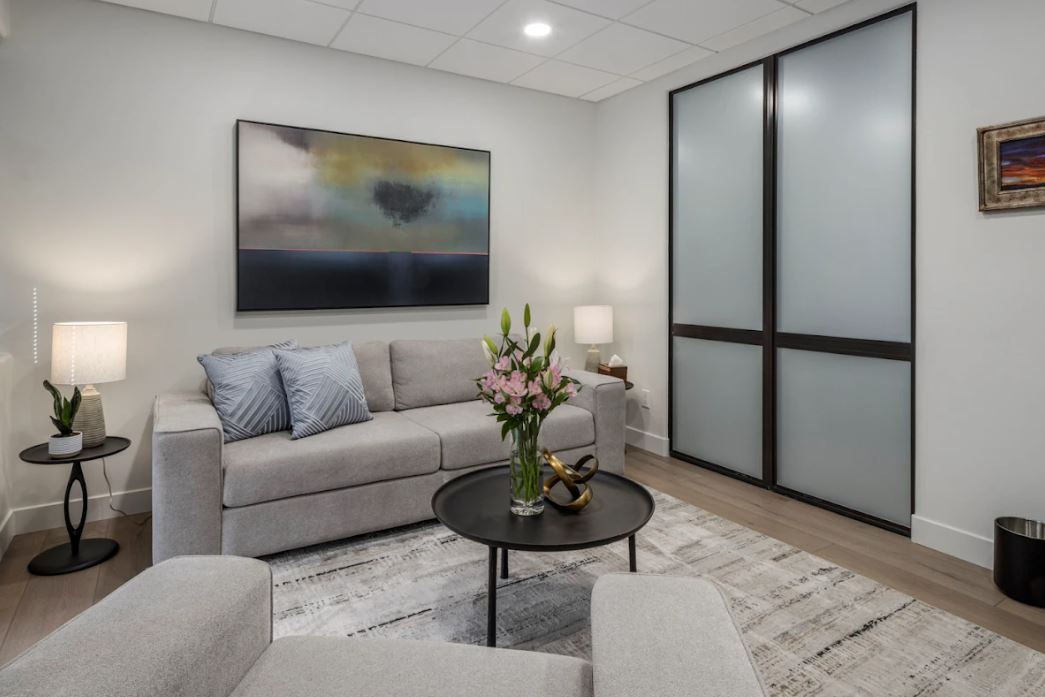
One-on-one counseling gives clients private time with a counselor or therapist to discuss substance use, mental health symptoms, goals, triggers, and recovery planning. It is commonly used throughout treatment to create a more personalized care plan.

Adventure Therapy
Adventure therapy uses structured outdoor or activity-based experiences to build confidence, communication, problem-solving, and emotional regulation. It is usually used as a supportive approach alongside counseling, group therapy, or residential treatment.

Cognitive Behavioral Therapy
CBT helps people identify thought and behavior patterns that may contribute to substance use, anxiety, depression, or relapse risk. Programs may use it to build coping skills and practical recovery strategies.

Dialectical Behavior Therapy
DBT teaches skills for emotion regulation, distress tolerance, mindfulness, and communication. It may support people with intense emotions, trauma symptoms, self-destructive patterns, or co-occurring mental health concerns.

Group Therapy
Group therapy brings clients together in a structured setting to discuss recovery, coping skills, accountability, relationships, and shared challenges. It is commonly used in addiction and mental health treatment at many levels of care.

Meditation & Mindfulness
Meditation and mindfulness practices help clients build present-moment awareness, manage stress, and respond to cravings or emotions with more intention. They are usually supportive practices used alongside clinical treatment.

Neurofeedback
Neurofeedback uses real-time feedback about brain activity to help clients practice self-regulation. It may be offered for attention, stress, trauma symptoms, or emotional regulation, but users should ask how it is supervised and what evidence supports its use for their concern.

Recreation Therapy
Recreation therapy uses structured recreational activities to support social connection, stress reduction, confidence, and healthy routines. It is often used as a supportive service in residential or extended-care programs.

Reiki
Reiki is a complementary energy-based practice sometimes used for relaxation or stress support. It should be described as a wellness option only and not as a clinical treatment for addiction, trauma, or mental health disorders.
Sound Therapy
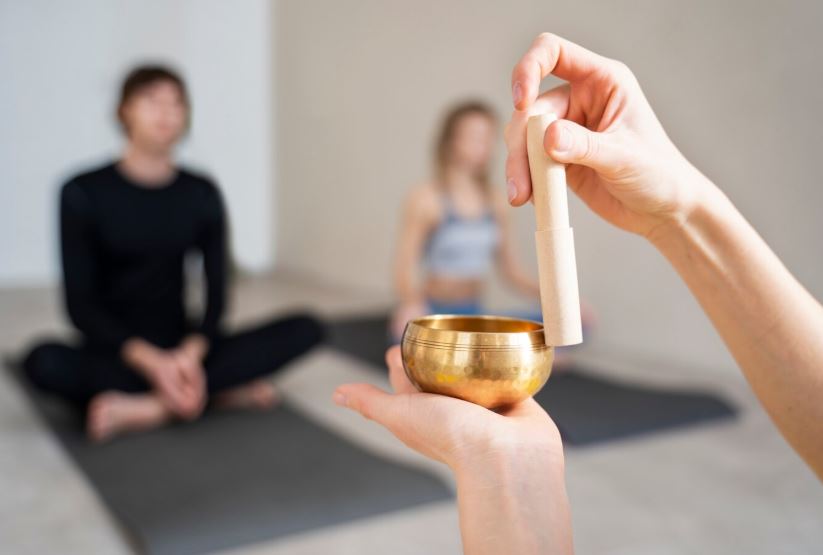
Sound therapy uses music, tones, vibration, or guided listening experiences to support relaxation and emotional regulation. It should be listed as a complementary wellness service, not as a primary treatment for addiction or mental health disorders.

Transcranial Magnetic Stimulation
TMS is a noninvasive brain stimulation treatment used in some mental health settings, especially for depression when appropriate. Users should confirm diagnosis requirements, medical oversight, safety screening, and insurance coverage.

Yoga
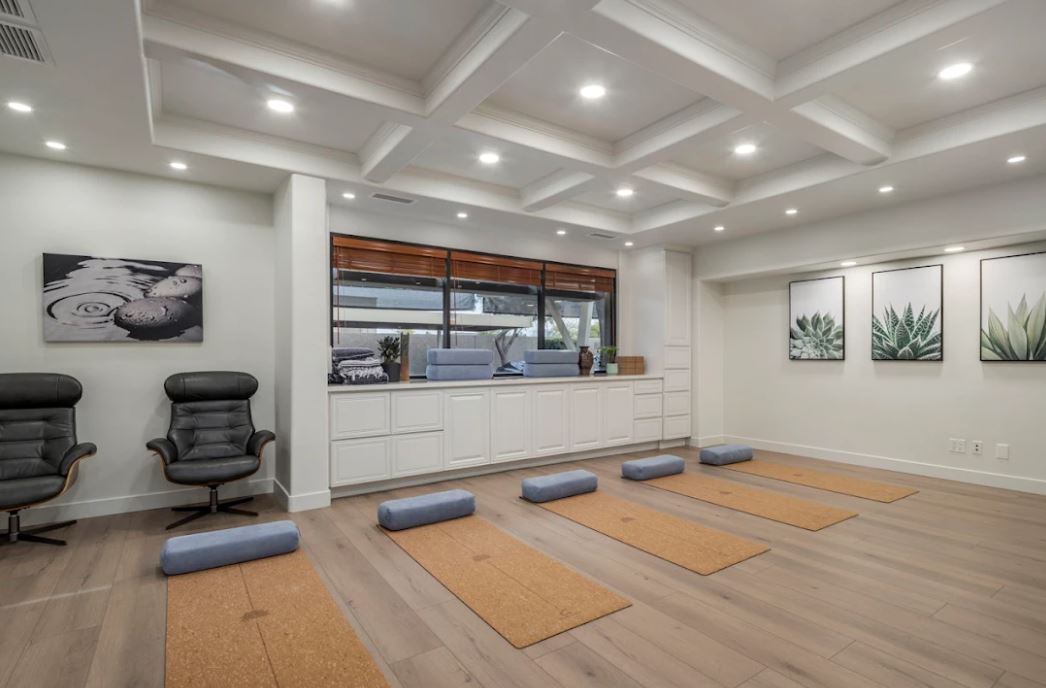
Yoga combines movement, breathing, and mindfulness practices that may support stress reduction, emotional regulation, sleep, and general wellness. It is best presented as a complementary recovery support rather than a standalone treatment.

Psychoeducation
Psychoeducation helps clients understand addiction, mental health symptoms, medications, coping skills, relapse warning signs, and treatment expectations. It is commonly used across many levels of care to support informed participation in treatment.
Level Of Cares

Intensive Outpatient Program (IOP)

Outpatient Treatment

Recovery Coaching

Retreat Programs

Day Treatment / Partial Hospitalization Program (PHP)
Conditions

Anxiety
Anxiety involves excessive worry, fear, nervousness, or physical tension that can affect sleep, concentration, relationships, work, school, and daily responsibilities. Related support may include therapy, counseling, medication management when appropriate, outpatient care, intensive outpatient care, or structured mental health treatment depending on symptoms and needs.

Burnout
Burnout is an occupational concern linked to unmanaged chronic workplace stress, often involving exhaustion, mental distance from work, and reduced effectiveness. It may affect motivation, sleep, mood, relationships, and job performance. Related support may include counseling, stress-focused therapy, skills-based support, outpatient care, or mental health treatment when burnout overlaps with anxiety, depression, trauma, or substance use.

Depression
Depression is a mood condition involving persistent sadness, loss of interest, low energy, hopelessness, or changes in sleep, appetite, and concentration. It may affect daily functioning, relationships, school, work, and safety. Related support may include therapy, counseling, medication management when appropriate, crisis support when needed, outpatient care, intensive outpatient care, or structured mental health treatment.
Post-Traumatic Stress Disorder (PTSD)
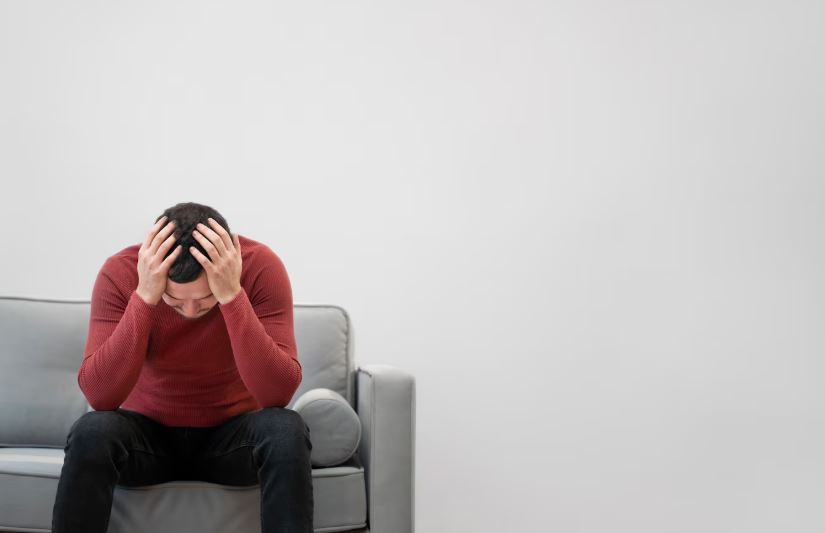
PTSD is a trauma-related condition that may involve intrusive memories, nightmares, avoidance, mood changes, sleep problems, and feeling constantly on edge. It can affect relationships, work, school, safety, and daily routines. Related support may include trauma-focused therapy, EMDR, counseling, medication management when appropriate, and structured mental health or co-occurring treatment.
Stress
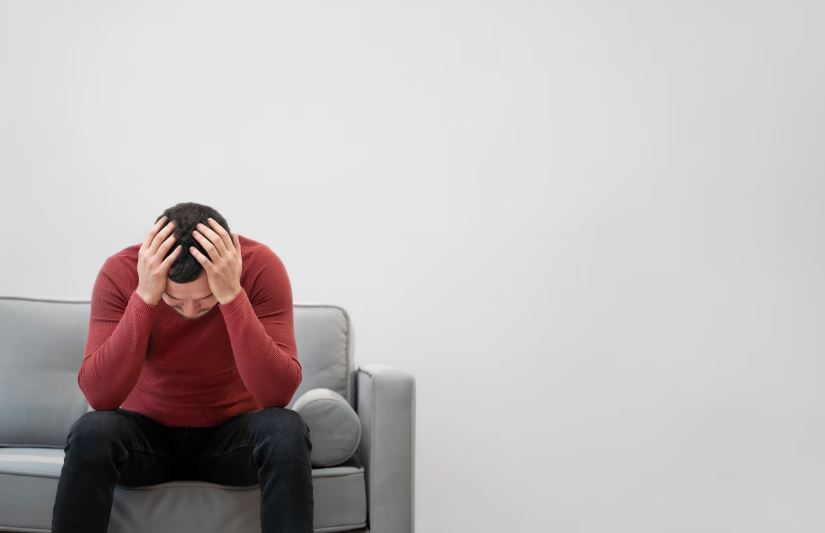
Stress is the body and mind’s response to pressure, demands, or life changes. Ongoing stress may affect sleep, mood, concentration, physical comfort, relationships, work, and daily responsibilities. Related support may include counseling, stress-management therapy, mindfulness-based support, outpatient care, virtual care, or higher levels of care when stress occurs with other mental health or substance use concerns.

Trauma
Trauma refers to emotional or psychological distress after a harmful, frightening, or overwhelming experience. It may affect mood, sleep, trust, relationships, physical comfort, and a person’s sense of safety. Related support may include trauma-informed therapy, counseling, EMDR, outpatient care, intensive outpatient care, residential treatment, or co-occurring substance use support when relevant.
Substances We Treat

Alcohol
Alcohol use disorder can affect health, relationships, work, safety, and mental health. Treatment may include counseling, behavioral therapies, recovery support, and FDA-approved medications when clinically appropriate.
Drug Addiction / Substance Use Disorder
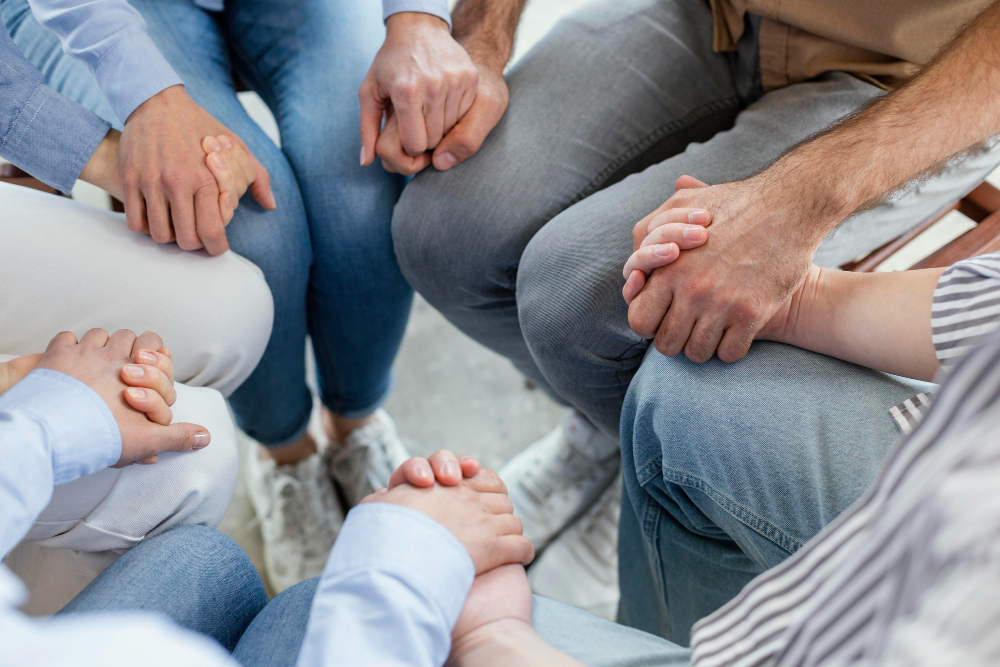
Drug addiction, or substance use disorder, involves continued substance use despite harmful consequences. Treatment may include assessment, counseling, behavioral therapies, medications for some substance use disorders, relapse prevention, and recovery support.