
Teen Challenge Asbury Family Center
About Teen Challenge Asbury Family Center
Amenities

Air-Conditioned Rooms
Air-conditioned rooms help support comfort during residential or longer-stay treatment, especially in warm climates or facilities where temperature control affects sleep and daily routine.

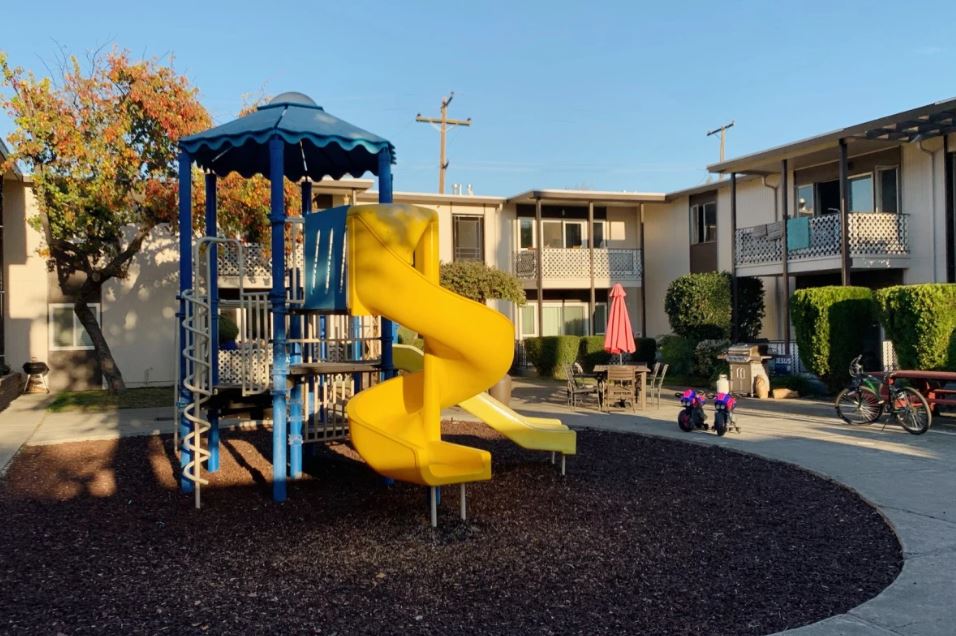
Childcare for Clients Children
Childcare support may help parents access treatment while managing family responsibilities. Availability, age limits, supervision, scheduling, and cost should be confirmed directly with the center.
Who We Treat

Boys

Children

Couples

Girls

Men and Women

Men

Women
Treatments

1-on-1 Counseling
One-on-one counseling gives clients private time with a counselor or therapist to discuss substance use, mental health symptoms, goals, triggers, and recovery planning. It is commonly used throughout treatment to create a more personalized care plan.

Family Therapy
Family therapy helps clients and loved ones address communication, boundaries, conflict, support systems, and the impact of substance use or mental health concerns on the household. It is an important treatment option when recovery involves family relationships.

Life Skills
Life skills programming helps clients build practical routines for daily stability, communication, employment readiness, budgeting, time management, and recovery planning. It is often used in residential, PHP, IOP, sober living, and transitional care.

Recreation Therapy
Recreation therapy uses structured recreational activities to support social connection, stress reduction, confidence, and healthy routines. It is often used as a supportive service in residential or extended-care programs.

Psychoeducation
Psychoeducation helps clients understand addiction, mental health symptoms, medications, coping skills, relapse warning signs, and treatment expectations. It is commonly used across many levels of care to support informed participation in treatment.

Spiritual Care
Spiritual care supports clients who want to include faith, meaning, values, or spiritual reflection in recovery. It may be offered through chaplaincy, pastoral counseling, meditation, or faith-informed programming.

Pastoral Counseling
Pastoral counseling integrates emotional support with spiritual or faith-informed guidance. It may be helpful for clients who want recovery support connected to their religious beliefs, values, or spiritual community.
Level Of Cares
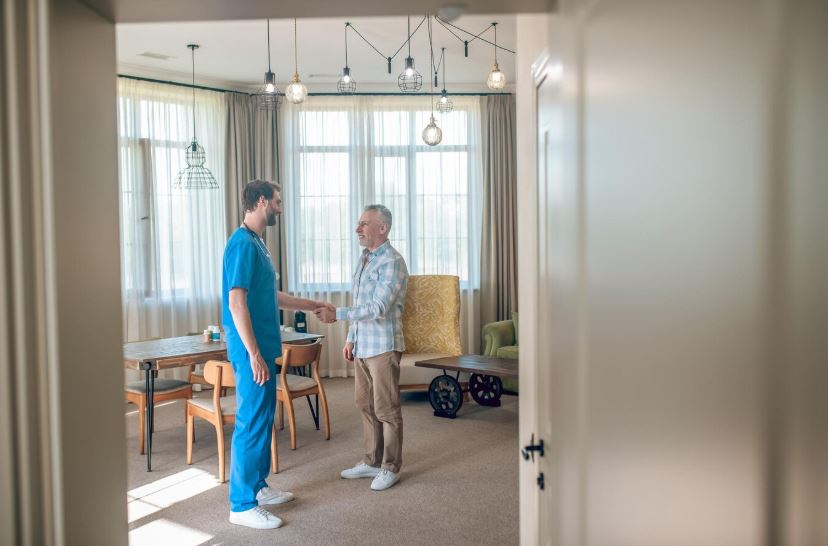
Residential Treatment
Conditions

Trauma
Trauma refers to emotional or psychological distress after a harmful, frightening, or overwhelming experience. It may affect mood, sleep, trust, relationships, physical comfort, and a person’s sense of safety. Related support may include trauma-informed therapy, counseling, EMDR, outpatient care, intensive outpatient care, residential treatment, or co-occurring substance use support when relevant.
Substances We Treat

Alcohol
Alcohol use disorder can affect health, relationships, work, safety, and mental health. Treatment may include counseling, behavioral therapies, recovery support, and FDA-approved medications when clinically appropriate.
Drug Addiction / Substance Use Disorder
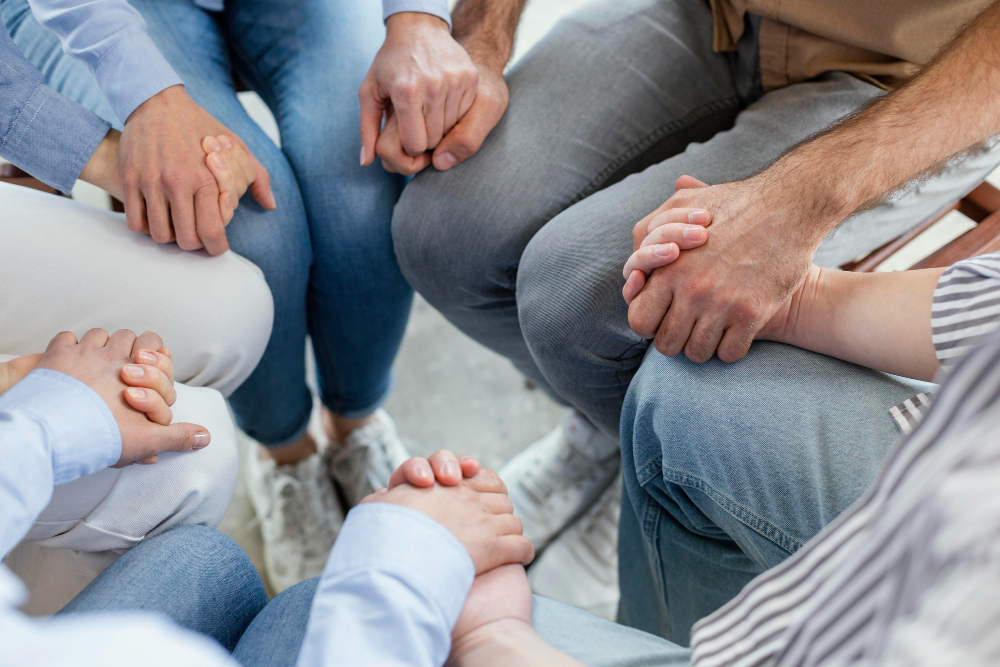
Drug addiction, or substance use disorder, involves continued substance use despite harmful consequences. Treatment may include assessment, counseling, behavioral therapies, medications for some substance use disorders, relapse prevention, and recovery support.