Jackson House Addiction Treatment
About Jackson House Addiction Treatment



Insurances
BlueCross BlueShield
Cigna
Humana
Kaiser Permanente

MHN
Molina Healthcare
Tricare
United Healthcare
Amenities

Outdoor Dining
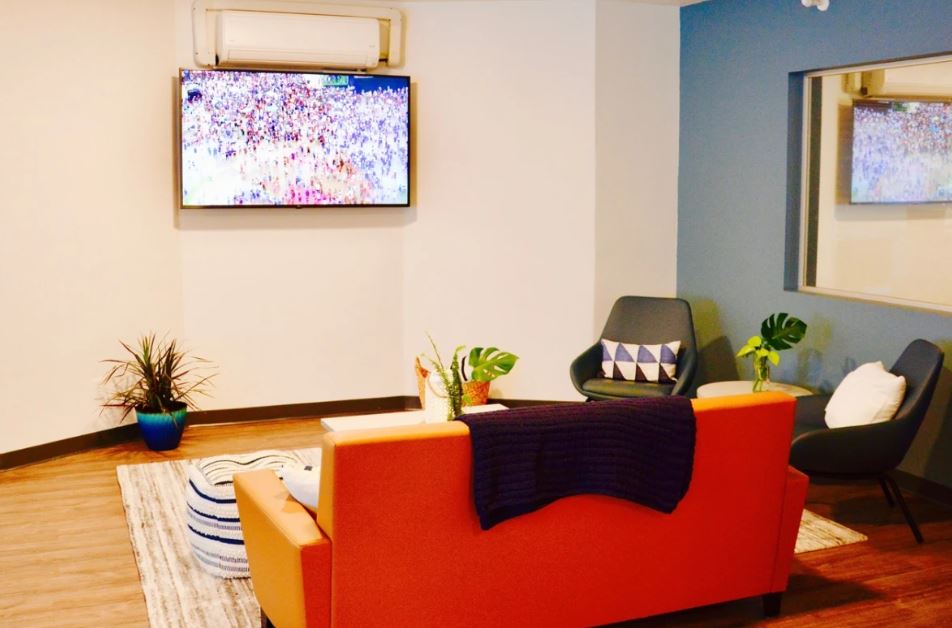
Outdoor dining may offer a more relaxed meal setting and access to fresh air during treatment. Availability may depend on weather, facility layout, and program schedule.
Accreditations

CARF
Who We Treat

Older Adults

Veterans

Men

Women
Treatments

1-on-1 Counseling
One-on-one counseling gives clients private time with a counselor or therapist to discuss substance use, mental health symptoms, goals, triggers, and recovery planning. It is commonly used throughout treatment to create a more personalized care plan.

Cognitive Behavioral Therapy
CBT helps people identify thought and behavior patterns that may contribute to substance use, anxiety, depression, or relapse risk. Programs may use it to build coping skills and practical recovery strategies.

Dialectical Behavior Therapy
DBT teaches skills for emotion regulation, distress tolerance, mindfulness, and communication. It may support people with intense emotions, trauma symptoms, self-destructive patterns, or co-occurring mental health concerns.

Group Therapy
Group therapy brings clients together in a structured setting to discuss recovery, coping skills, accountability, relationships, and shared challenges. It is commonly used in addiction and mental health treatment at many levels of care.

Ibogaine Treatment
Ibogaine is a psychoactive substance sometimes promoted for addiction treatment, but it carries serious safety concerns and is not a standard treatment option in U.S. addiction care. This should be handled with strong caution and should not be promoted as routine rehab treatment.

Medication-Assisted Treatment
MAT uses approved medications with counseling or recovery support when clinically appropriate. It is especially important for opioid use disorder and may also be used for alcohol use disorder.
Substances We Treat

Alcohol
Alcohol use disorder can affect health, relationships, work, safety, and mental health. Treatment may include counseling, behavioral therapies, recovery support, and FDA-approved medications when clinically appropriate.

Co-Occurring Disorders
Co-occurring disorders involve both a substance use disorder and a mental health disorder. Treatment may coordinate addiction care, mental health therapy, medication management, and recovery support so both concerns are addressed together.
Cocaine
Cocaine is a stimulant that can affect the brain, heart, mood, sleep, and decision-making. Treatment commonly focuses on behavioral therapy, relapse prevention, coping skills, and support for cravings or co-occurring mental health symptoms.

Heroin
Heroin is an opioid with a high risk of dependence, withdrawal, and overdose. Treatment often includes medications for opioid use disorder, counseling, harm-reduction education, relapse prevention, and ongoing recovery support.

Methamphetamine
Methamphetamine is a powerful stimulant that can affect sleep, mood, thinking, heart health, and behavior. Treatment commonly focuses on behavioral therapies, contingency management where available, relapse prevention, recovery support, and co-occurring mental health care.

Opioids
Opioids include heroin, fentanyl, and prescription pain medications such as oxycodone or hydrocodone. Treatment for opioid use disorder may include FDA-approved medications such as buprenorphine, methadone, or naltrexone, along with counseling and recovery support.