Horizon High School
About Horizon High School
Amenities
Fitness Center
A fitness center may support exercise, routine, stress reduction, and overall wellness during treatment. Users should confirm available equipment, supervision, and any medical restrictions.
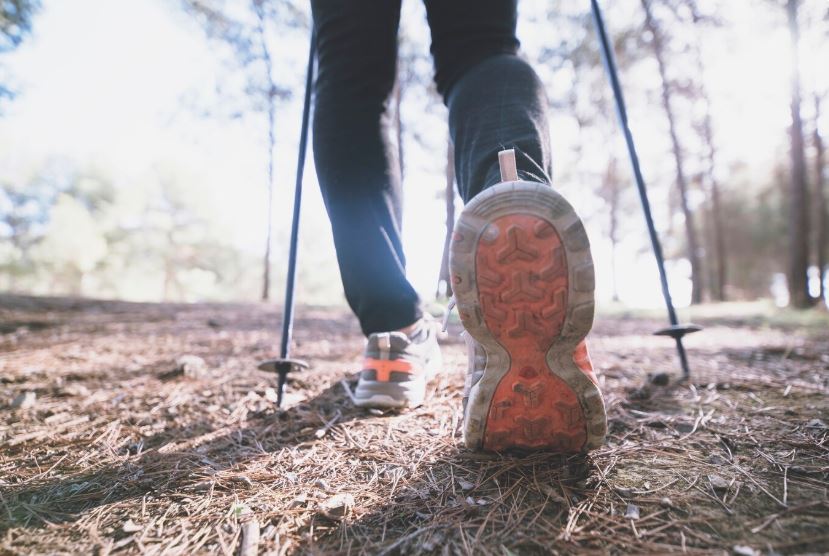
Walking Trails
Walking trails may support gentle movement, reflection, stress reduction, and time outdoors during treatment. Users should confirm accessibility, supervision, and trail location.
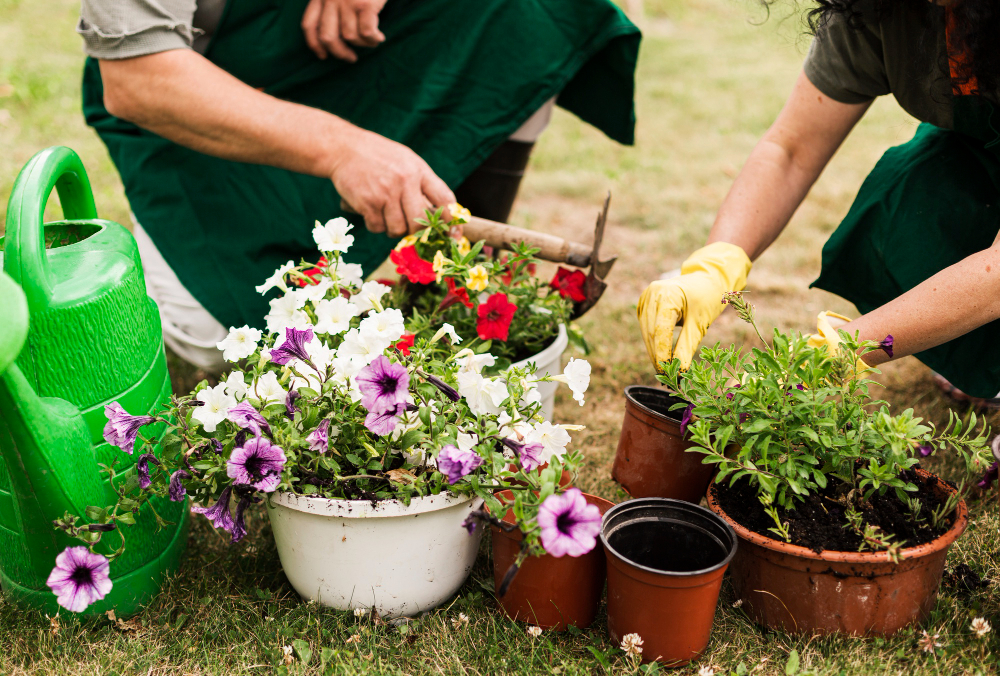
Gardens
Gardens can provide quiet outdoor space for reflection, relaxation, mindfulness, or light activity. This amenity may be especially useful in residential or longer-stay programs.

Outdoor Space
Outdoor space may include patios, courtyards, lawns, or open-air areas that support movement, reflection, and breaks from indoor programming.

Beach Access
Beach access may offer a calming outdoor setting for reflection, walking, recreation, or wellness activities. Users should confirm whether beach access is supervised, nearby, or on-site.

Library
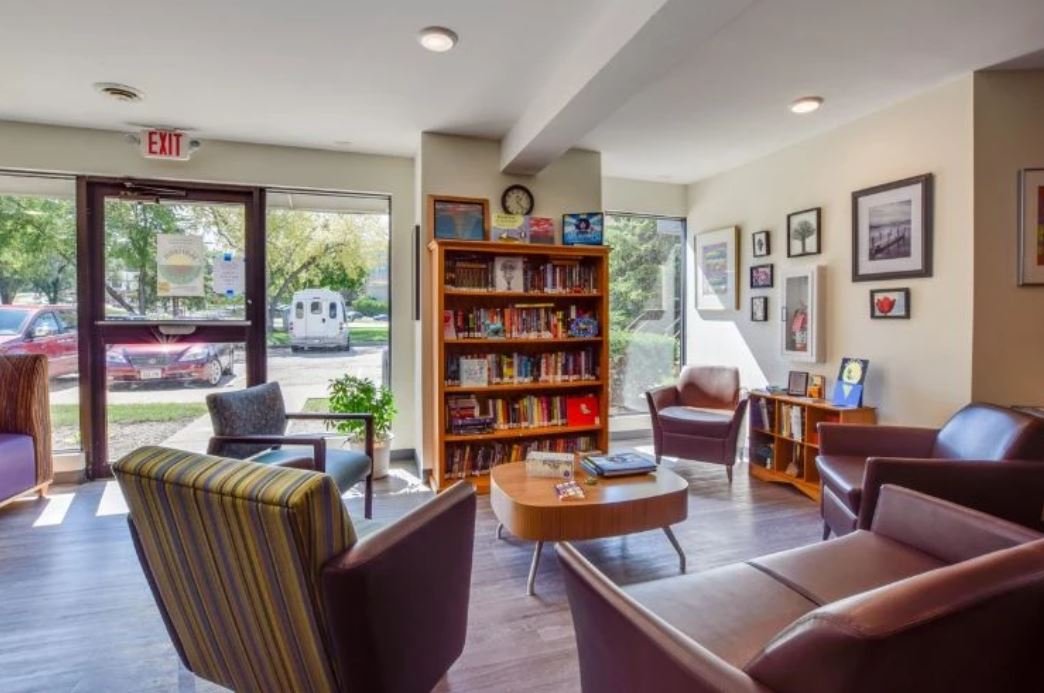
A library or reading area may offer quiet space for reflection, education, journaling, or downtime. It is a supportive amenity, not a substitute for clinical programming.
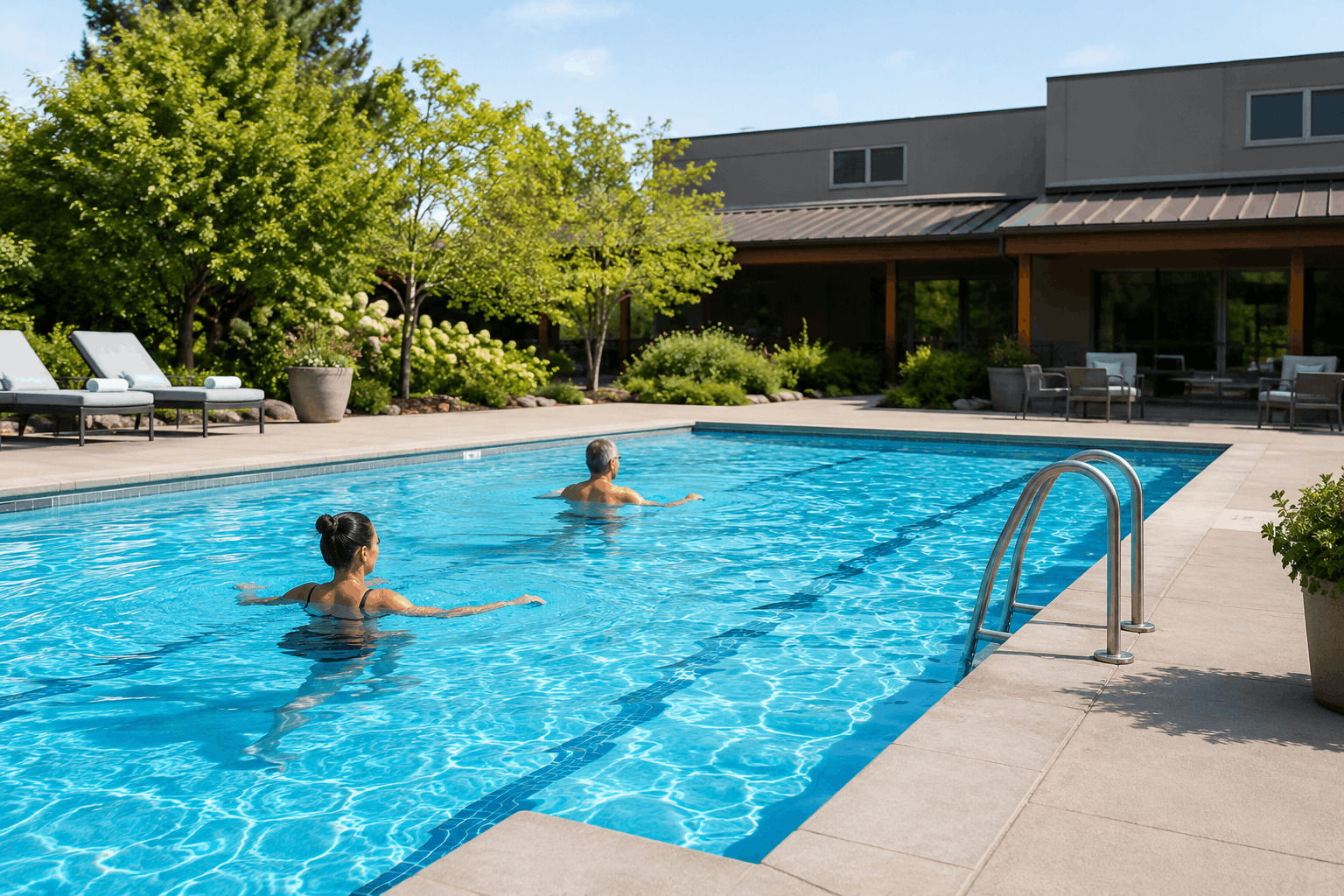
Swimming
Swimming may support movement, relaxation, and recreation where a pool or safe swimming area is available. This should usually be grouped with Pool / Swimming.
Accreditations

CARF
Who We Treat

Adolescents

Boys

Girls
Treatments

1-on-1 Counseling
One-on-one counseling gives clients private time with a counselor or therapist to discuss substance use, mental health symptoms, goals, triggers, and recovery planning. It is commonly used throughout treatment to create a more personalized care plan.

Animal Therapy
Animal-assisted therapy uses supervised interaction with animals to support emotional regulation, trust, stress reduction, and connection. It may be helpful as a supportive service for clients who benefit from calming, relationship-based activities during treatment.
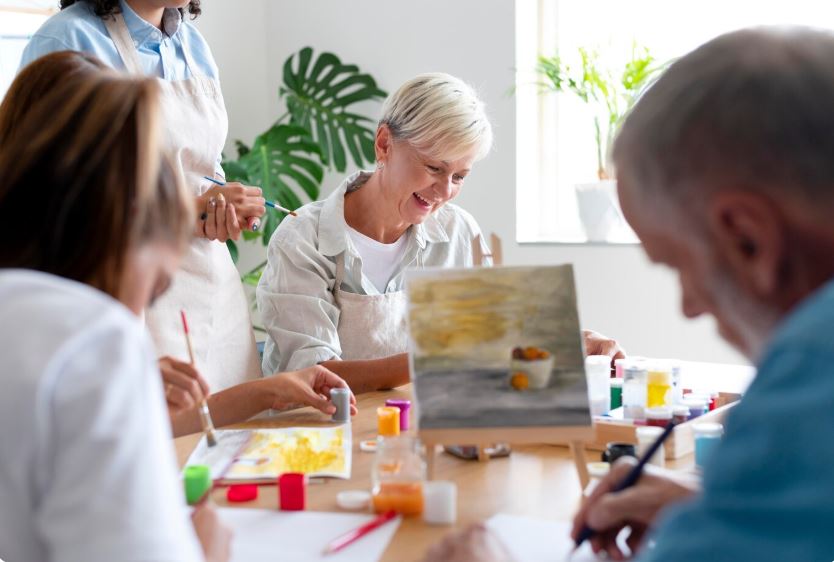
Art Therapy
Art therapy uses creative activities to help clients express emotions, process experiences, and explore thoughts that may be difficult to discuss directly. It is often used as a supportive approach in mental health, trauma, and substance use treatment settings.

Group Therapy
Group therapy brings clients together in a structured setting to discuss recovery, coping skills, accountability, relationships, and shared challenges. It is commonly used in addiction and mental health treatment at many levels of care.

Life Skills
Life skills programming helps clients build practical routines for daily stability, communication, employment readiness, budgeting, time management, and recovery planning. It is often used in residential, PHP, IOP, sober living, and transitional care.

Meditation & Mindfulness
Meditation and mindfulness practices help clients build present-moment awareness, manage stress, and respond to cravings or emotions with more intention. They are usually supportive practices used alongside clinical treatment.
Level Of Cares
Outpatient Treatment

Day Treatment / Partial Hospitalization Program (PHP)

Co-Occurring Mental Health Treatment
Substances We Treat

Alcohol
Alcohol use disorder can affect health, relationships, work, safety, and mental health. Treatment may include counseling, behavioral therapies, recovery support, and FDA-approved medications when clinically appropriate.
Co-Occurring Disorders
Co-occurring disorders involve both a substance use disorder and a mental health disorder. Treatment may coordinate addiction care, mental health therapy, medication management, and recovery support so both concerns are addressed together.

Opioids
Opioids include heroin, fentanyl, and prescription pain medications such as oxycodone or hydrocodone. Treatment for opioid use disorder may include FDA-approved medications such as buprenorphine, methadone, or naltrexone, along with counseling and recovery support.
Drug Addiction / Substance Use Disorder
Drug addiction, or substance use disorder, involves continued substance use despite harmful consequences. Treatment may include assessment, counseling, behavioral therapies, medications for some substance use disorders, relapse prevention, and recovery support.