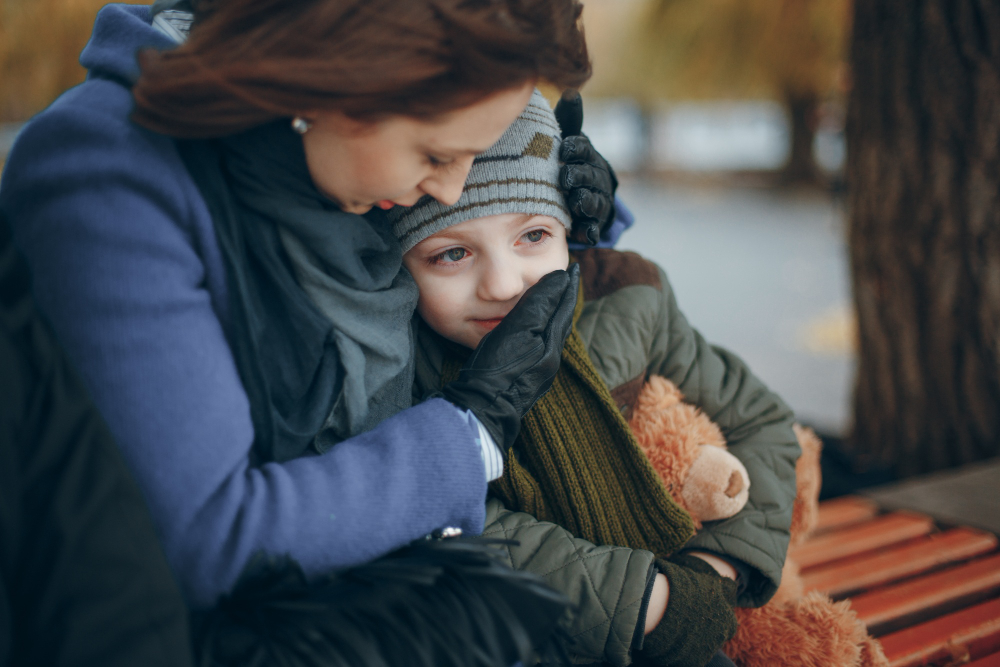
Why Are Children So Much More Vulnerable to Trauma?
Childhood is a period of rapid physical, emotional, social, and brain development. Because so many systems are still developing, traumatic experiences during childhood can affect more than a child's immediate emotions—they can influence how a child understands safety, relationships, stress, learning, and the world around them.
But what makes children particularly vulnerable to trauma?
The answer is not simply that children are "weaker" than adults. Children have developing brains, less control over their environments, fewer coping resources, and a greater dependence on adults for safety and emotional regulation. When frightening or overwhelming experiences occur, children may not yet have the language, perspective, or independence needed to understand and process what happened.
Research from the Centers for Disease Control and Prevention (CDC) shows that adverse childhood experiences (ACEs)—potentially traumatic experiences occurring during childhood—can affect health, well-being, relationships, learning, and life opportunities. At the same time, experiencing trauma does not mean a child will inevitably develop long-term psychological problems. Many children recover well, particularly when they have safety, stability, supportive relationships, and appropriate help.
Understanding why children can be especially vulnerable is important for parents, caregivers, educators, and anyone supporting a child after a traumatic experience.
What Is Childhood Trauma?
Childhood trauma refers broadly to experiences that overwhelm or threaten a child's sense of safety and can have significant emotional or psychological effects.
The CDC uses the term adverse childhood experiences (ACEs) to describe potentially traumatic events that occur during childhood, from birth through age 17. Examples include experiencing violence, abuse, or neglect, witnessing violence, and growing up in circumstances involving household instability, substance use problems, or mental health problems.
Trauma does not always come from one dramatic event.
A child may experience distress following:
-
The death of someone important
-
A serious accident or injury
-
Violence or abuse
-
Neglect
-
Witnessing violence
-
A major disruption in the family
-
Homelessness or unstable housing
-
Ongoing family conflict
-
Other experiences that seriously disrupt a child's sense of safety
The impact of an experience depends on many factors, including the child's developmental stage, previous experiences, available support, and whether the stressful situation is temporary or ongoing.
This is why two children can experience similar events and respond very differently.
Why Are Children Particularly Vulnerable to Trauma?
Children's vulnerability to trauma comes from several overlapping factors. Their brains and emotional systems are still developing, while their ability to control their surroundings is limited.
Their Brains Are Still Developing
One of the most important reasons childhood experiences can have lasting effects is that the brain is still developing throughout childhood and adolescence.
Harvard University's Center on the Developing Child explains that brain architecture develops over time and is shaped by early experiences and relationships. Responsive interactions with caring adults help support healthy development, while excessive or prolonged activation of the body's stress-response systems can disrupt developing biological systems.
This does not mean that trauma permanently "rewires" every child's brain or determines their future.
The developing brain is also remarkably adaptable. Children's experiences can influence development in both positive and negative directions, and supportive environments can help promote healthy development.
NIMH research programs specifically examine how traumatic stress interacts with neurodevelopment, environmental experiences, emotion regulation, fear processing, and other aspects of child and adolescent functioning.
Children Depend on Adults for Safety
Adults generally have more control over where they live, who they interact with, and how they respond to difficult situations.
Children usually do not.
A young child may depend almost completely on parents, caregivers, teachers, or other adults for:
-
Physical safety
-
Food and shelter
-
Emotional reassurance
-
Transportation
-
Medical care
-
Schooling
-
Social support
-
Help understanding frightening experiences
When a traumatic experience involves the child's home or another trusted adult, the situation can become particularly confusing.
The person a child expects to provide safety may simultaneously be associated with fear, conflict, or uncertainty.
That can make it more difficult for a child to understand what is happening and where safety can be found.
Children May Not Have the Words to Explain What They Feel
Adults can often describe fear, anxiety, confusion, grief, anger, or other emotional experiences using language.
Young children may not have the same ability.
Instead, distress may appear through changes in behavior.
According to the National Institute of Mental Health (NIMH), children can respond to traumatic events differently depending on their developmental stage. Younger children may become unusually clingy, act out aspects of a frightening experience through play, experience changes in previously established behaviors, or have difficulty communicating normally. Older children and adolescents may display symptoms more similar to those seen in adults, alongside behavioral changes.
This is why adults should not assume that a child who is not talking about a traumatic experience is unaffected by it.
Sometimes behavior communicates what words cannot.
Children Understand Trauma Through a Developing Perspective
A child's understanding of the world changes dramatically as they grow.
A preschool-aged child may interpret an event very differently from a teenager.
For example, a young child may not understand:
-
Why something happened
-
How long a situation will last
-
Whether it will happen again
-
Whether they caused the problem
-
Whether other people are safe
-
Whether adults can protect them
Older children may understand more about what happened but can still struggle with fear, uncertainty, guilt, anger, or questions about the future.
This developmental difference matters when adults communicate with children after traumatic events.
Information should be explained in an age-appropriate way rather than assuming the child understands the situation in the same way an adult does.
Prolonged Stress Can Affect a Developing Child
Not all stress is harmful.
Children experience ordinary stress as part of growing up, and manageable stress can occur within healthy development.
The concern arises when stress is severe, frequent, or prolonged, particularly when a child does not have adequate support.
Harvard's Center on the Developing Child describes toxic stress as excessive or prolonged activation of the body's stress-response systems. Research indicates that toxic stress can interfere with developing brain architecture and other biological systems.
The CDC similarly reports that toxic stress associated with ACEs can affect developing systems, including the brain, immune system, and stress-response systems. These effects may influence areas such as attention, learning, decision-making, and relationships.
This is one reason repeated or ongoing adversity can be particularly concerning during childhood.
Relationships Play a Major Role in How Children Respond to Trauma
Children do not experience trauma in isolation.
Their relationships and environment can influence how they respond and recover.
A safe, stable, supportive relationship with a caring adult can provide an important source of protection.
Harvard's Center on the Developing Child emphasizes the importance of responsive relationships between children and caring adults. These interactions contribute to healthy brain development and can help buffer children from stressful experiences.
The CDC likewise identifies safe, stable, nurturing relationships and environments as important for preventing ACEs and reducing their effects.
This means that after a traumatic experience, helping a child feel safe and supported is not simply about making them "feel better."
A stable environment and dependable relationships can be an important part of healthy development.
Trauma Can Affect Different Areas of a Child's Life
Trauma does not necessarily appear as one obvious symptom.
Children may experience changes involving several areas of functioning.
Emotional Changes
A child may become more fearful, anxious, irritable, withdrawn, or emotionally reactive.
Some children may seem unusually worried about separation or safety.
Behavioral Changes
Behavior may change following a traumatic event.
Depending on the child's age, this can include acting out, withdrawing from others, changes in play, difficulty following routines, or other noticeable changes.
Sleep Changes
Some children may experience changes in sleep following stressful or traumatic experiences.
This can include difficulty falling asleep, waking during the night, or wanting increased reassurance at bedtime.
School and Learning
Stress can also affect concentration, attention, memory, or participation in school.
The CDC notes that toxic stress associated with ACEs can affect attention, learning, and decision-making.
Relationships
A child who has experienced trauma may have difficulty trusting others, separating from caregivers, communicating feelings, or maintaining relationships.
However, these reactions do not automatically mean that a child has a mental health disorder.
Does Every Child Who Experiences Trauma Develop Long-Term Problems?
No.
This is one of the most important points for parents and caregivers to understand.
Experiencing trauma does not automatically mean a child will develop PTSD or another mental health condition.
The CDC notes that most children who experience very stressful events recover quickly and well. Some children, however, experience longer-lasting symptoms that cause significant distress or interfere with relationships and everyday activities.
Children differ in their responses to traumatic experiences.
Factors that may influence outcomes include:
-
The nature of the experience
-
The child's developmental stage
-
Whether the experience was isolated or ongoing
-
Previous experiences of adversity
-
The child's support system
-
Family stability
-
Access to appropriate care
-
The child's individual characteristics and coping resources
The presence of risk factors does not determine a child's future.
Why Early Trauma Can Matter Later in Life
Childhood is a foundational period for development, which means experiences during these years can influence health and well-being beyond childhood.
The CDC reports that ACEs can have lasting effects on health, well-being, and life opportunities, including education and employment. ACEs have also been associated with a range of health and behavioral outcomes later in life.
Importantly, these findings describe increased risk, not certainty.
A child who experiences adversity is not destined to experience poor health, relationship difficulties, or mental health problems later in life.
Early support matters because it can help address difficulties before they become more disruptive.
The Role of Resilience
Talking about childhood trauma should never mean presenting children as permanently damaged.
Children have significant capacity for adaptation and recovery.
Resilience can be supported by protective factors such as:
-
Safe and stable relationships
-
Consistent routines
-
Supportive caregivers
-
Positive school environments
-
Opportunities to express emotions
-
Access to appropriate professional support
-
Stable housing and basic needs
-
Opportunities for healthy social connection
Harvard's Center on the Developing Child emphasizes that supportive relationships and stable environments can help buffer children from sources of stress.
This is why the response to trauma matters.
The question is not simply, "What happened to this child?"
It is also:
"What support does this child have now?"
How Can Adults Support a Child After Trauma?
Parents, caregivers, teachers, and other trusted adults can play an important role in helping children feel safe after a traumatic experience.
NIMH recommends creating a safe and supportive environment, maintaining routines when possible, allowing children to express their emotions, and helping them understand that trusted adults are there to care for them.
Helpful approaches can include:
Create Predictability
Regular routines can help children understand what to expect.
Consistent mealtimes, school routines, bedtime routines, and familiar activities can provide a sense of stability.
Listen Without Pressuring
Children should have opportunities to talk about what they are experiencing, but adults should avoid forcing a child to discuss an event before they are ready.
Use Age-Appropriate Explanations
Children need information they can understand.
Adults can answer questions honestly while avoiding unnecessary details that may increase fear or confusion.
Reassure Them About Safety
When appropriate, adults can explain what is being done to keep the child safe.
Pay Attention to Changes
Significant or persistent changes in behavior, sleep, school performance, mood, or relationships may warrant additional attention.
Seek Professional Support When Needed
If a child's reactions are persistent, severe, or interfering with everyday life, a healthcare or mental health professional can help evaluate what is happening and determine whether additional support is appropriate.
When Should a Child Receive Professional Help?
Not every child who experiences a frightening event requires formal treatment.
However, professional evaluation may be appropriate when symptoms or behavioral changes persist, become severe, or interfere with the child's daily life, relationships, school, or ability to function.
The CDC recommends talking with a healthcare provider when a child develops persistent symptoms following a traumatic event.
A qualified professional can consider the child's age, developmental stage, history, current symptoms, environment, and support system rather than relying on a single behavior.
Parents and caregivers should also remember that seeking professional help does not mean something is "wrong" with the child. It can simply provide additional support during a difficult period.
For families researching available services, can provide a starting point for exploring relevant treatment options.
Childhood Trauma and Adverse Childhood Experiences
The concept of adverse childhood experiences, or ACEs, is useful when discussing childhood trauma because it recognizes that potentially harmful experiences can occur across different areas of a child's life.
According to the CDC, ACEs can include abuse, neglect, witnessing violence, household substance use or mental health problems, and certain forms of instability. The agency also notes that the list is not exhaustive.
ACEs should not be viewed as a score that determines a child's future.
Instead, they can help researchers and healthcare professionals understand patterns of adversity and associated risks at a population level.
For an individual child, context matters.
The same number or type of experiences does not produce an identical outcome for every child.
Common Misconceptions About Childhood Trauma
"If a child doesn't talk about it, they aren't affected."
Not necessarily. Children may communicate distress through behavior, play, emotions, physical complaints, or changes in routines rather than direct conversation.
"Every traumatic experience causes PTSD."
No. Many children recover after stressful experiences without developing a long-term trauma-related disorder.
"Children are permanently damaged by trauma."
This is an overly deterministic view. Children's development is influenced by many factors, and supportive relationships and stable environments can promote resilience and healthy development.
"Only major disasters cause childhood trauma."
Potentially traumatic experiences can take many forms. The CDC's definition of ACEs includes experiences such as abuse, neglect, violence, and household instability.
"The best approach is to tell children to forget about it."
Avoiding or dismissing a child's feelings can make it harder for them to communicate what they need. Supportive adults can instead listen, provide reassurance, maintain stability, and seek professional guidance when appropriate.
Frequently Asked Questions
Why does trauma affect children differently from adults?
Children are still developing cognitively, emotionally, socially, and neurologically. They also depend more heavily on adults for safety and support and may have fewer coping and communication skills. These developmental differences can influence how children understand and respond to traumatic experiences.
Can childhood trauma affect brain development?
Research indicates that prolonged or excessive stress during childhood can affect developing brain architecture and other biological systems. However, this does not mean that trauma permanently determines a child's brain development or future. Development remains influenced by subsequent experiences and supportive environments.
What are common signs of trauma in children?
Signs vary according to age and individual circumstances. They can include changes in behavior, emotional responses, sleep, play, relationships, concentration, or school functioning. Younger children may express distress differently from adolescents.
Can a child recover from trauma?
Yes. Many children recover well after stressful or traumatic experiences. Supportive relationships, stable environments, appropriate care, and time can all play important roles in recovery.
Does childhood trauma always cause mental health problems later?
No. Childhood adversity can increase the risk of various health and behavioral difficulties, but risk is not destiny. Children respond differently, and protective factors can make an important difference.
When should parents seek professional help?
Consider professional guidance when a child's reactions are persistent, severe, or interfere with everyday activities, relationships, school, or functioning. A qualified healthcare or mental health professional can evaluate the child's individual situation and recommend appropriate support.
Conclusion: Understanding Children's Vulnerability to Trauma
Children can be particularly vulnerable to trauma because they are still developing the brain, emotional skills, relationships, and understanding they need to make sense of overwhelming experiences. They also depend heavily on adults for safety, stability, and support.
Trauma can therefore influence a child's development in ways that may look different from adult responses. Changes in behavior, sleep, emotions, relationships, learning, or play may sometimes be signs that a child is struggling.
But vulnerability should never be confused with inevitability.
Many children recover after traumatic experiences, and supportive relationships and stable environments can provide important protection.
For parents, caregivers, educators, and communities, one of the most important responses is to create an environment in which children feel safe, heard, supported, and able to access appropriate help when they need it.
Understanding childhood trauma is not about labeling children by what happened to them. It is about recognizing how development and environment interact—and making sure children have the support they need to move forward.
Important note: This article is intended for general educational purposes and is not a substitute for professional medical or mental health advice. Children respond differently to stressful and traumatic experiences. If you are concerned about a child's well-being, a qualified healthcare or mental health professional can provide an individualized evaluation.
References
-
Centers for Disease Control and Prevention (CDC), "About Adverse Childhood Experiences." CDC — About Adverse Childhood Experiences
-
Centers for Disease Control and Prevention (CDC), "Preventing Adverse Childhood Experiences." CDC — Preventing Adverse Childhood Experiences
-
CDC, "Post-Traumatic Stress Disorder in Children." CDC — PTSD in Children
-
National Institute of Mental Health (NIMH), "Coping With Traumatic Events." NIMH — Coping With Traumatic Events
-
National Institute of Mental Health, Child Traumatic Stress Research Program. NIMH — Child Traumatic Stress Research Program
-
Harvard University Center on the Developing Child, Toxic Stress and Brain Development. Harvard Center on the Developing Child